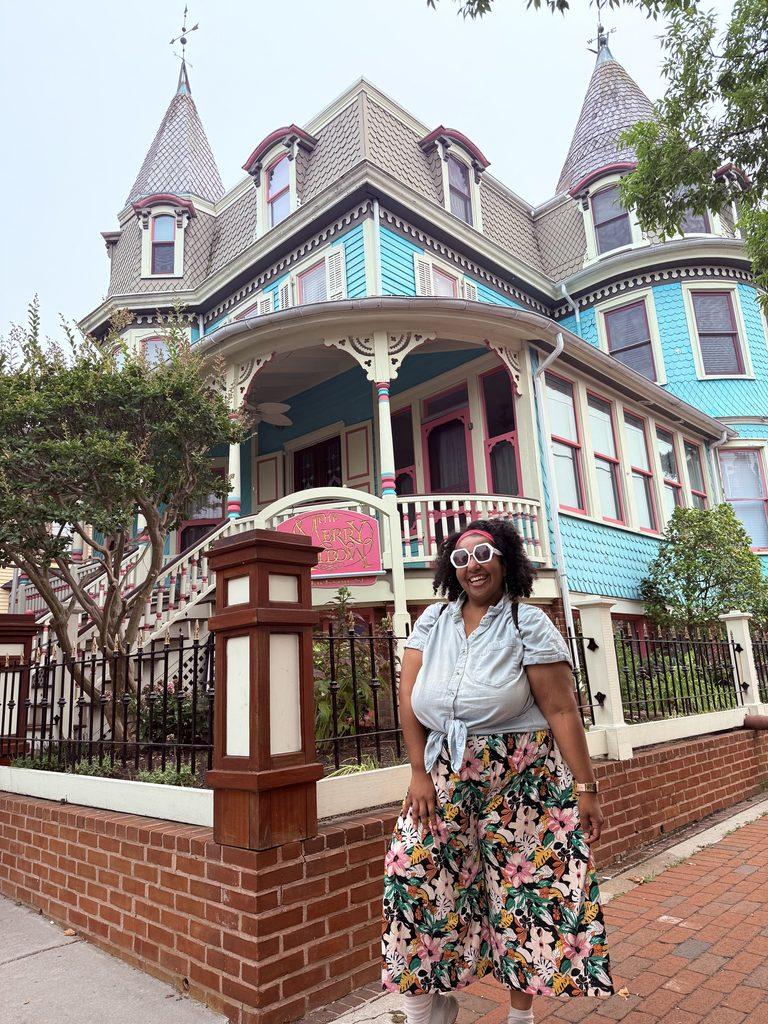
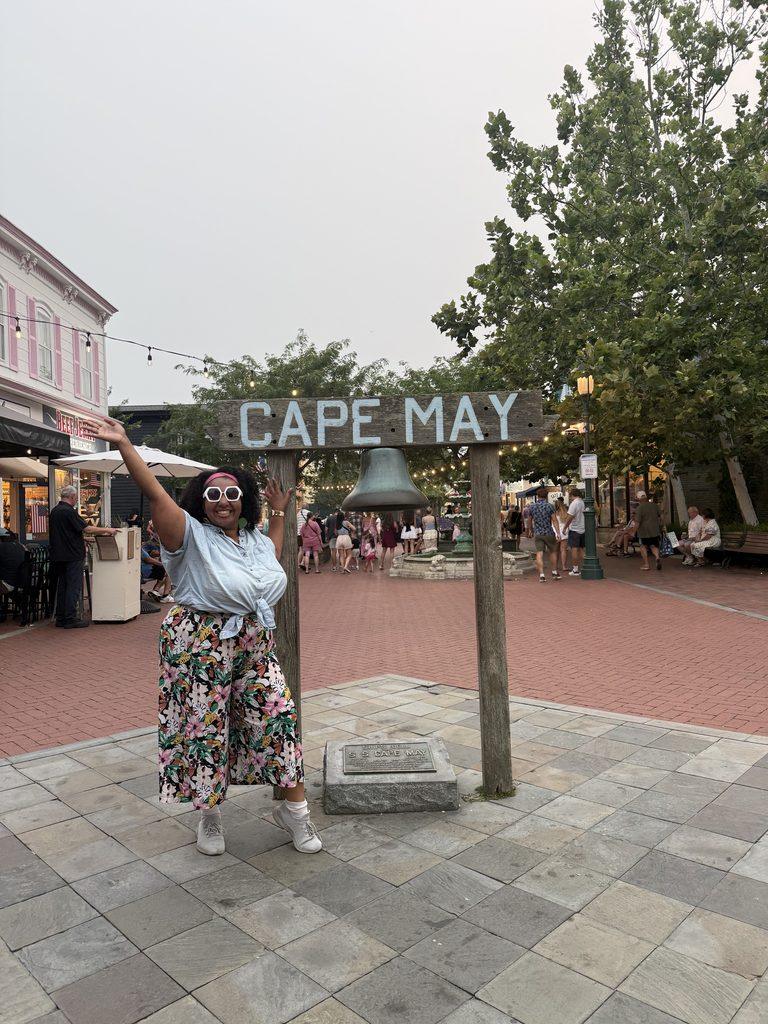
Cape May, NJ has a special place in my heart, so I want to make sure I do this place justice.
Even though I only spent one day there, it was honestly one of the best day trips I have taken. It felt truly immersive, left me in my feels, and gave me a completely different perspective on this charming seaside town.
Cape May is more than Victorian homes and beautiful beaches. Its streets are filled with stories of Black resilience, entrepreneurship, and freedom that is in plain sight.
So, if you have ever wondered:
How to Spend a Day in Black-Owned Cape May?
What is it like traveling while Black in Cape May?
This one-day Black-owned Cape May guide is for you. There’s a lot packed into it, so feel free to spread it over two days or mix and match the stops to create a day trip to Cape May that works best for you. Consider it a starting point for exploring some of the Black-owned businesses, experiences, and gems Cape May has to offer
NOTE: This website contains affiliate links. If you book through my links, I earn a small commission at no extra cost to you. These commissions help support this content and allow me to keep creating free content across my platforms. Thank you for your support!
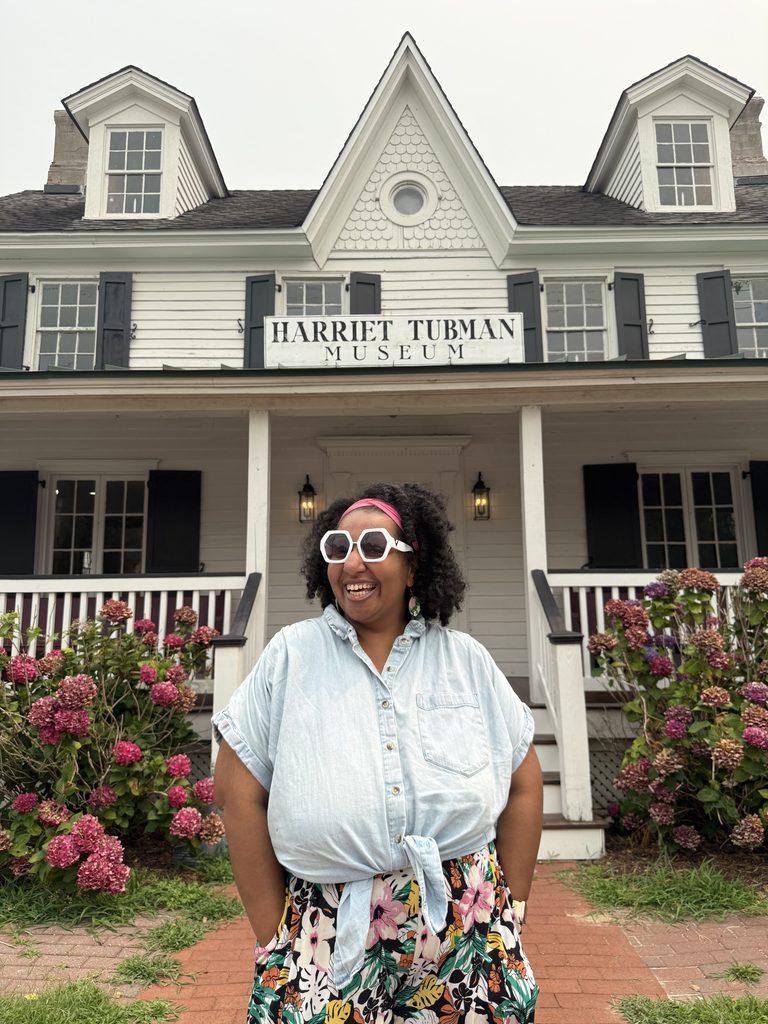
One of my favorite parts of traveling is discovering the stories I did not know were there. My visit to the Harriet Tubman Museum introduced me to a side of Cape May’s history that goes far beyond the beach.
Before you go, check the museum’s schedule. It is open Wednesday through Sunday with limited hours, so you will want to plan accordingly. I also recommend taking the guided tour, which gives you the opportunity to hear additional context from a docent and ask questions along the way.
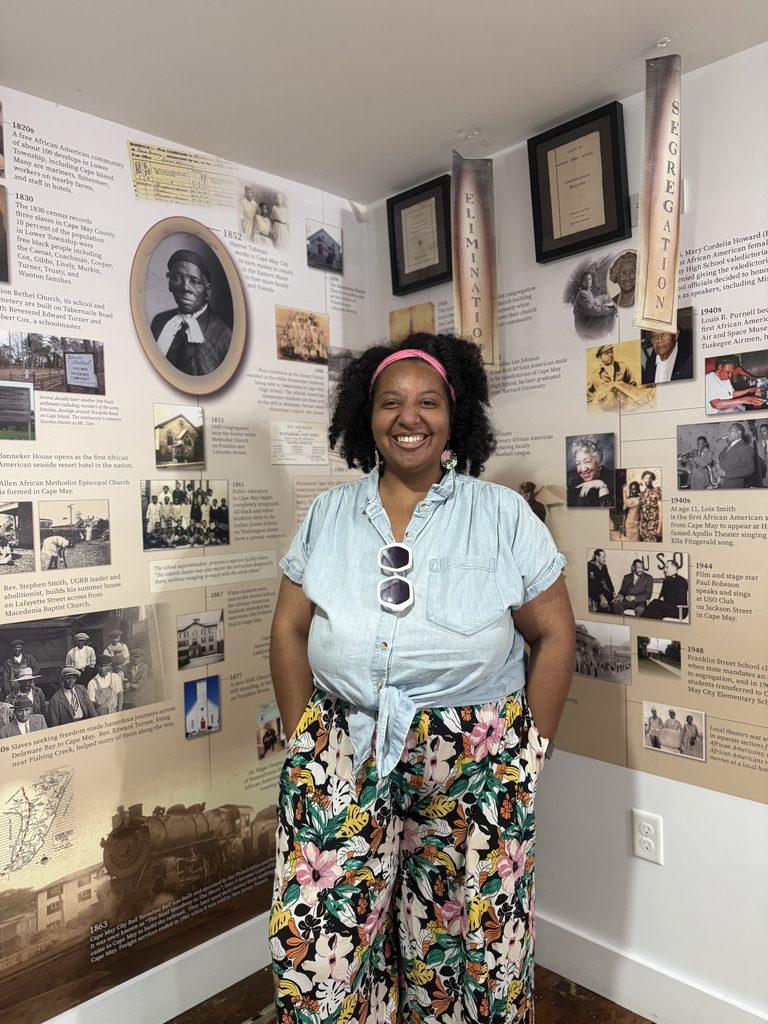
Of course, you will learn about Harriet Tubman, including how she spent summers in Cape May between 1850 and 1852 working as a cook and domestic worker. She used the money she earned to help fund her return trips South to lead enslaved people to freedom.
But what surprised me was how much the museum reveals about the broader Black history of Cape May. I learned about:
During the summer, look for the Thursday combination tour, which pairs admission to the Harriet Tubman Museum with a guided Black history trolley tour. Additional combination tours may be offered on Fridays, so check the current schedule before your visit.
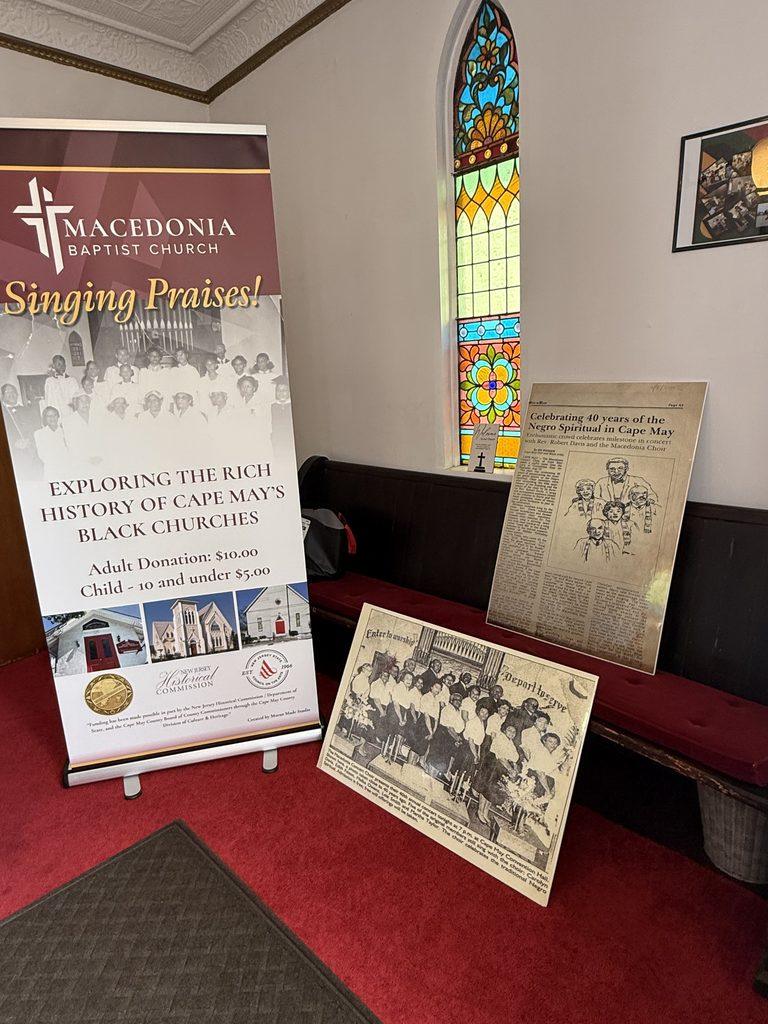
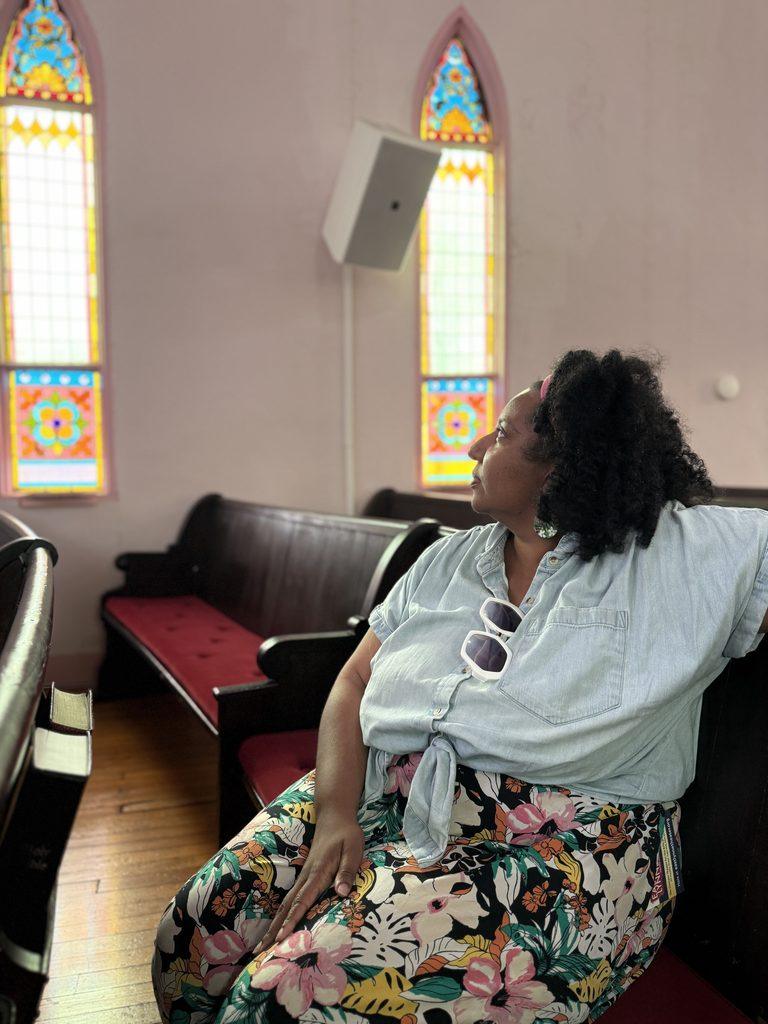
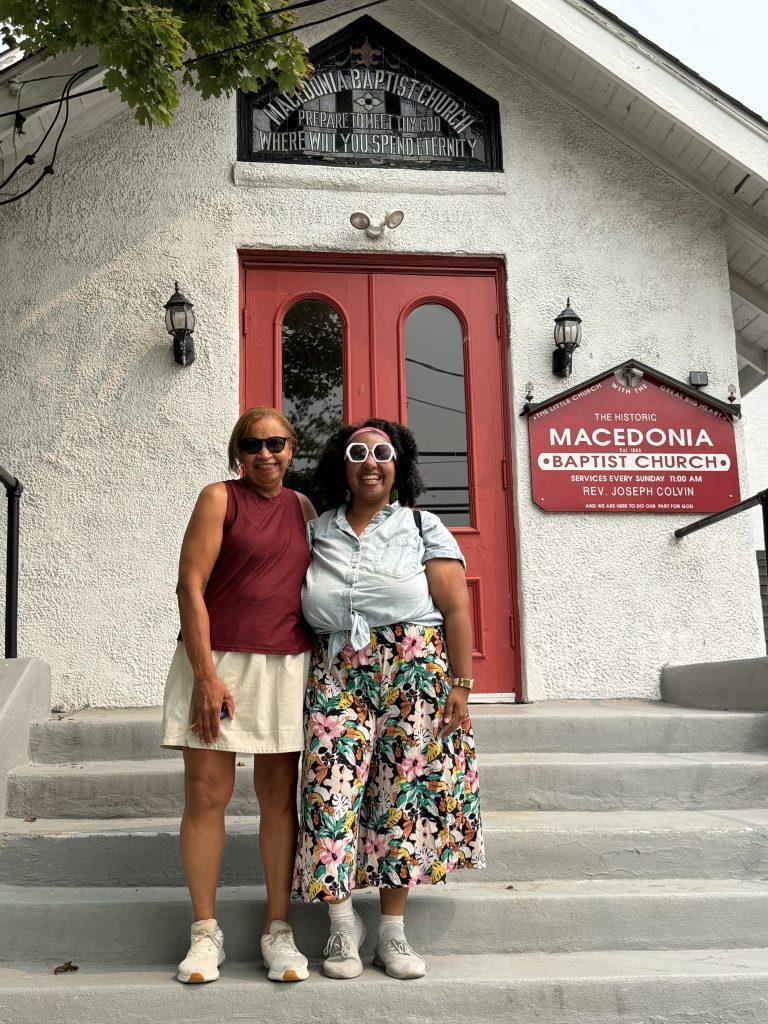
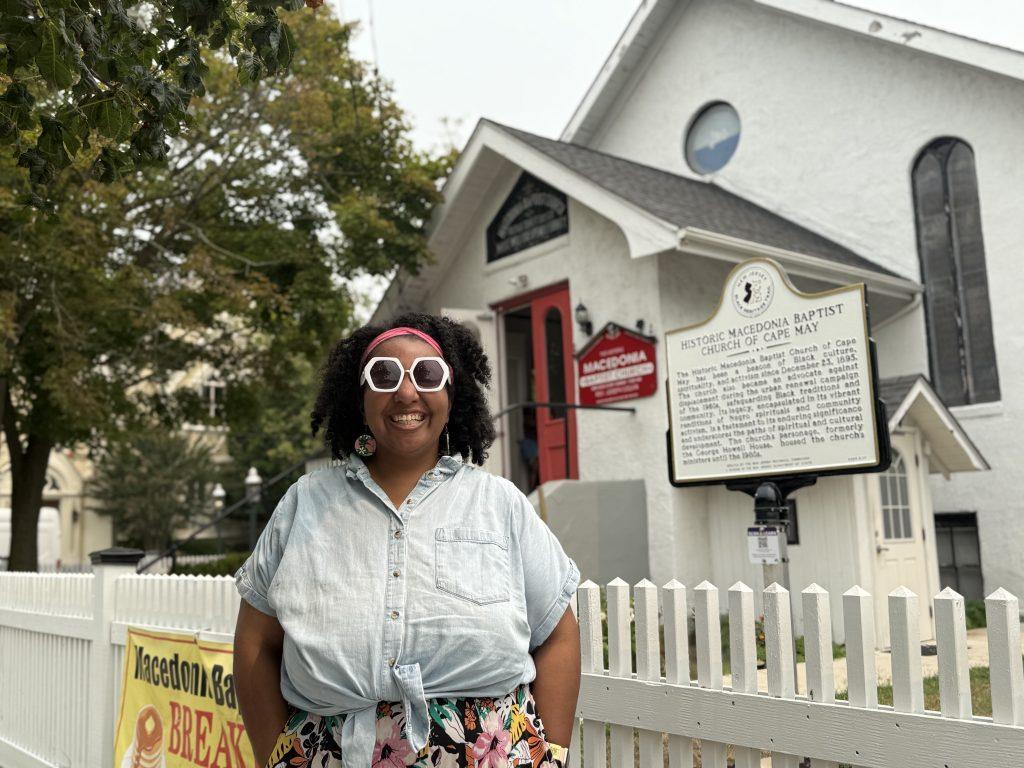
Visiting Historic Macedonia Baptist Church was truly the most powerful part of the trip.
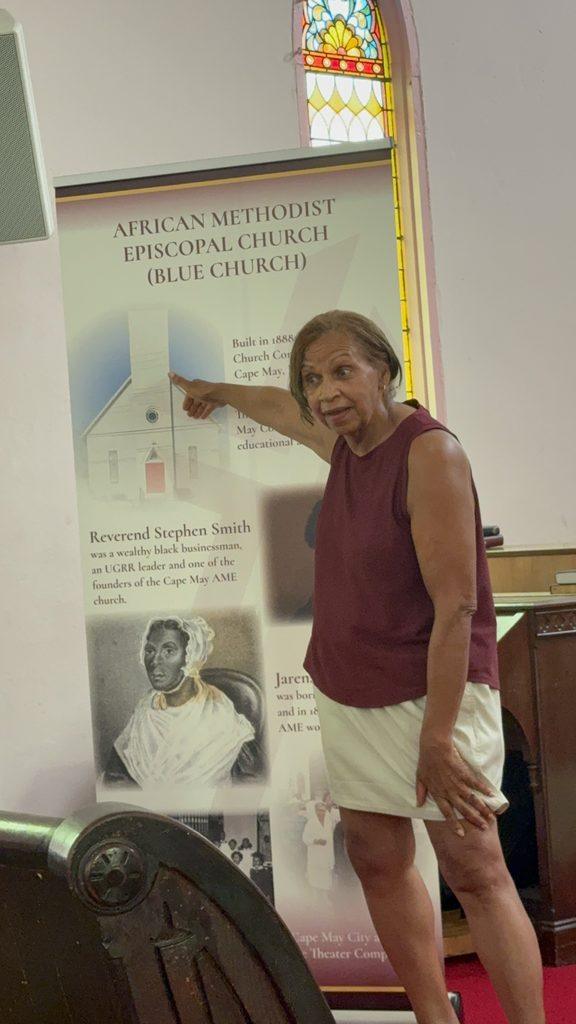
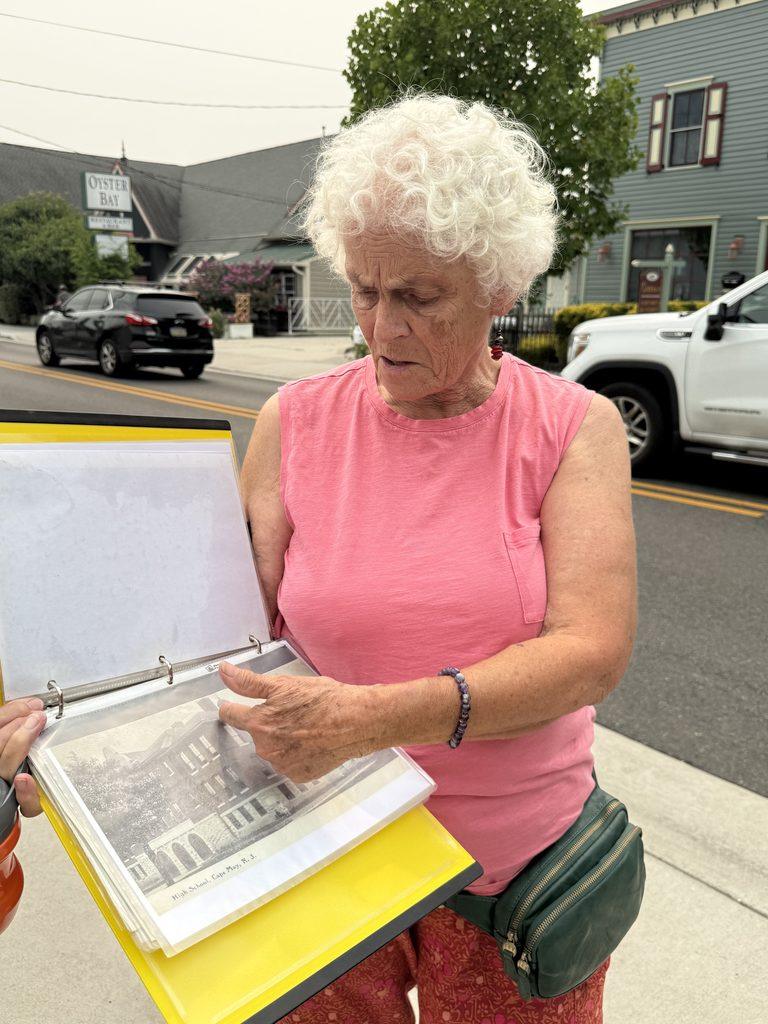
I am so glad I was put in contact with Lynda Towns, a Black woman who was born and raised in Cape May and still calls it home. Cape May is small, so when I saw a Black woman walking around who looked like she knew the place. Then she approached us, asking for Franny, and I immediately knew it had to be her.
If you want to learn the real Black history of Cape May, you absolutely must book this experience. While Lynda’s experience is typically offered on Saturdays, you can arrange a different day in advance.
Historic Macedonia Baptist Church is the last remaining Black church in Cape May, and Lynda helped us understand the pivotal role churches played in preserving the community’s history, culture, and identity.
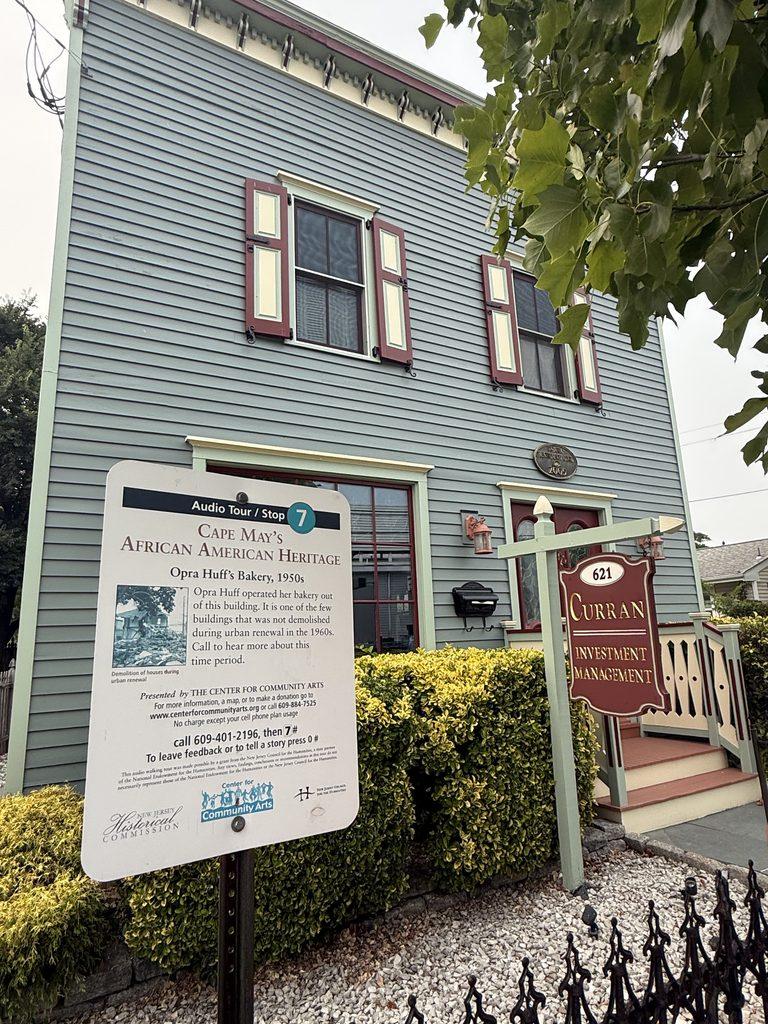
But what touched me most were her firsthand stories of growing up in Cape May. It was here that we learned how urban renewal displaced much of Cape May’s Black community, reducing it from approximately 30 percent of the town’s population to just 3 percent. Lynda also gave us context about the three Black churches that once served the community and how these institutions became much more than places of worship.
Churches were spaces where cultural pride was nurtured, history was preserved, and residents found advocates during a period when their homes and community were being displaced.
I also learned about Cape May’s connection to Charles Albert Tindley, the renowned gospel music composer of “We Shall Overcome” and the Father of Gospel, whose work helped shape the genre. Cape May was home to his first pastoral assignment, adding another layer to the town’s Black history that I would have never discovered through a typical visit.
This experience reminded me that sometimes the most important history of a destination is not found on a plaque or in a museum. Sometimes, it lives in the memories of the people who have been there all along.
Reaching out to the Cape May MAC (Museums + Art + Culture) gave me a much better understanding of the area and helped shape our experience. They were incredibly patient in coordinating with us, especially when we had to reschedule our walking tour because of the weather. They also connected us with Lynda Towns.
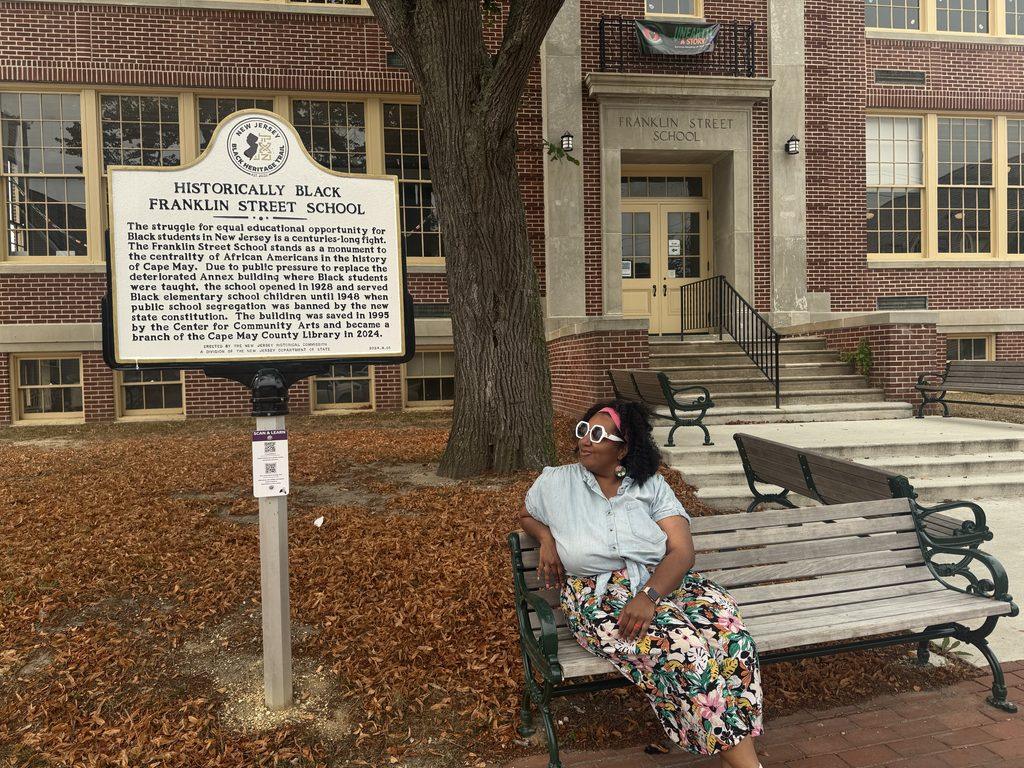
We took a guided walking tour with Hope Gaines, a member of Cape May MAC, making several stops along the African American Heritage Trail to learn about the people, places, and stories that shaped Cape May’s Black community.
One stop was the Franklin Street School, which opened in 1928 for Black students and served as the city’s only segregated elementary school until 1948. Today, the building has been repurposed as a library, but its history remains an important part of Cape May’s story.
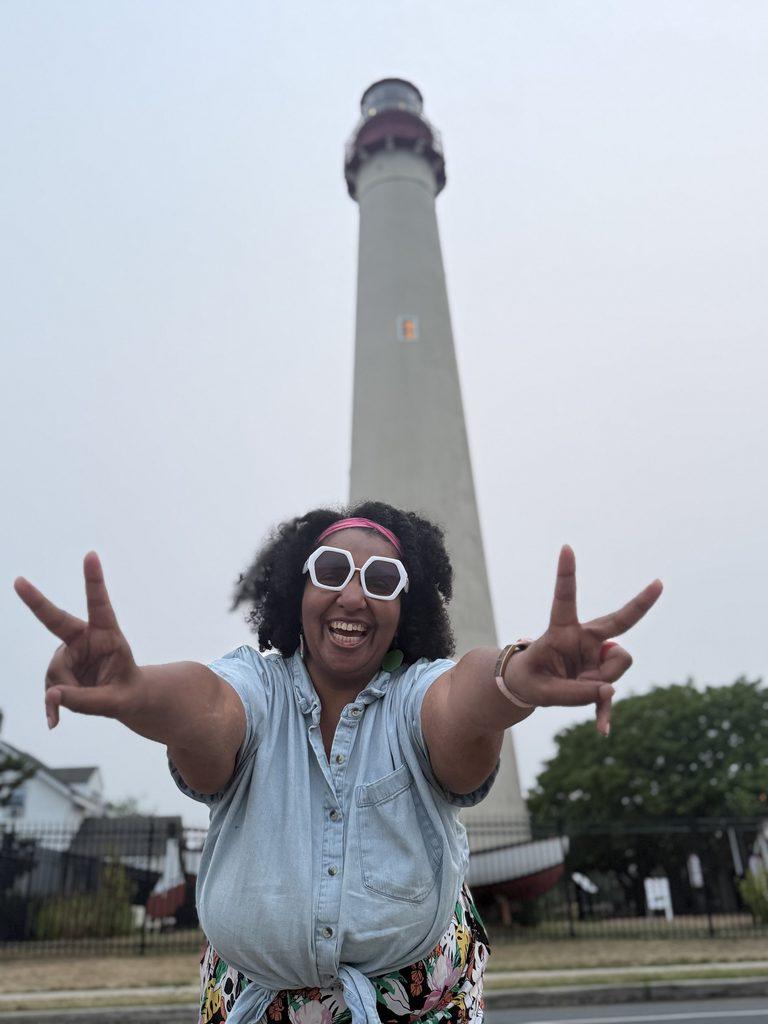
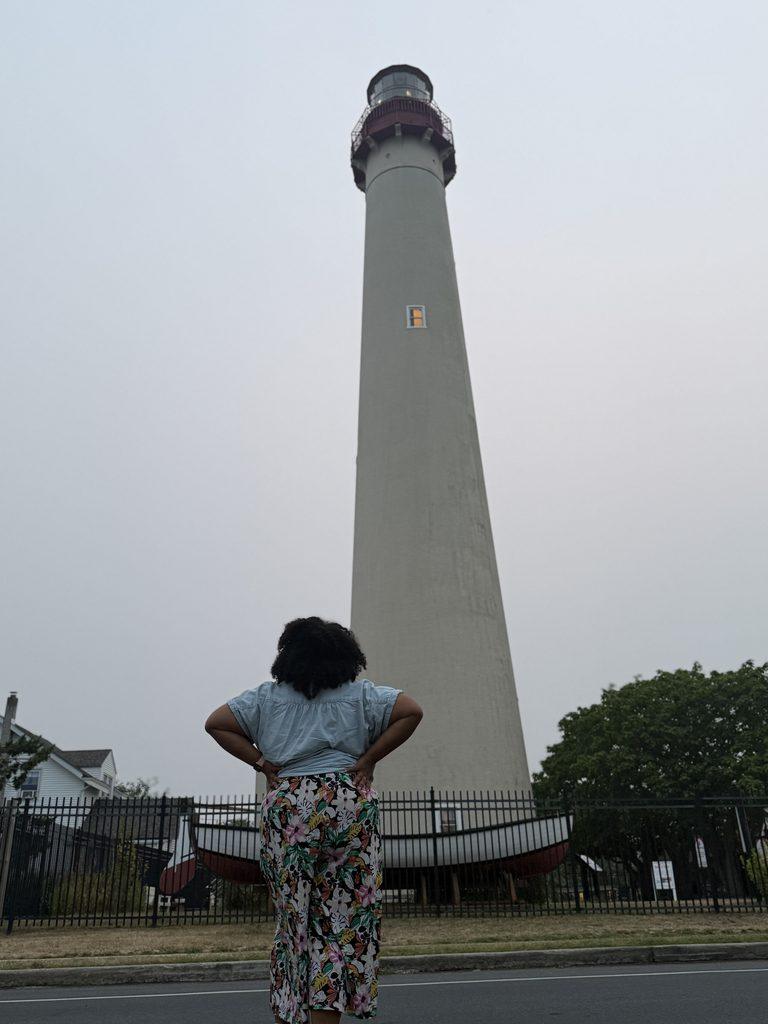
While we visited the Cape May Lighthouse in the evening, I recommend arriving before closing to climb to the top, take in the views, and read the historical markers.
The Cape May Lighthouse also has a powerful connection to Black history. Its light served as a beacon for people escaping slavery from Maryland, Delaware, and Virginia, guiding small boats toward the New Jersey shore at night. Standing there, it was powerful to think about how this lighthouse represented hope and a path toward freedom for those making the dangerous journey north.
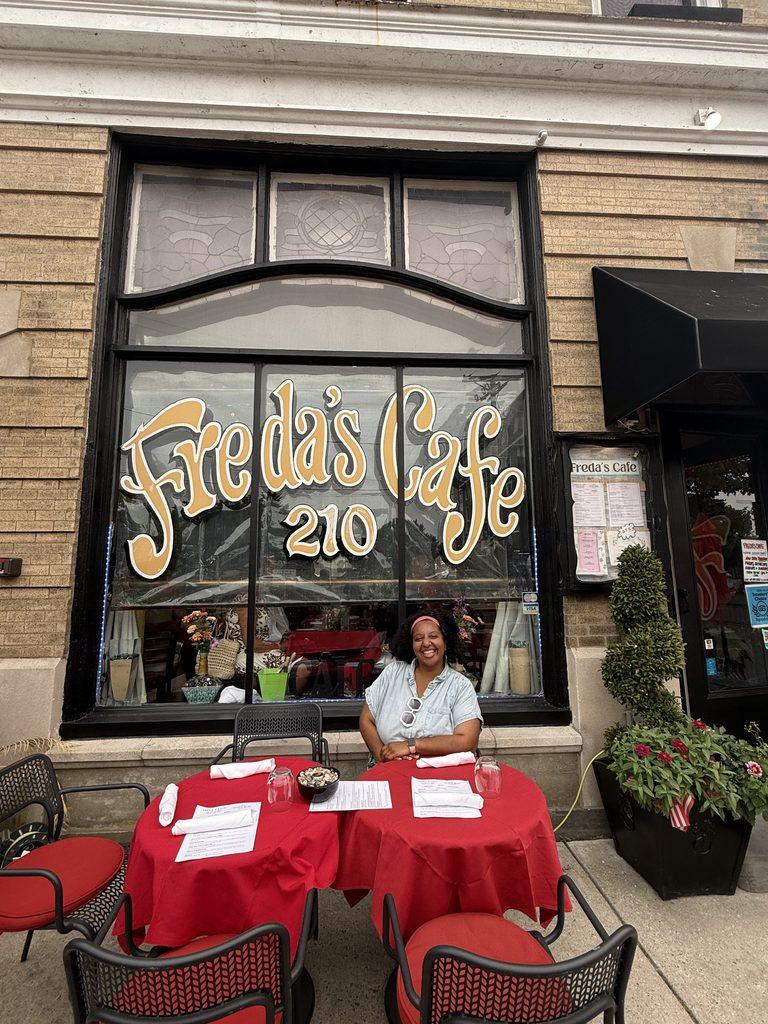
For dinner, we ate at Freda’s Cafe, currently the only remaining Black-owned business in Cape May. That alone makes it a meaningful stop, especially when you consider that Cape May once had nearly 90 Black-owned businesses at its peak.
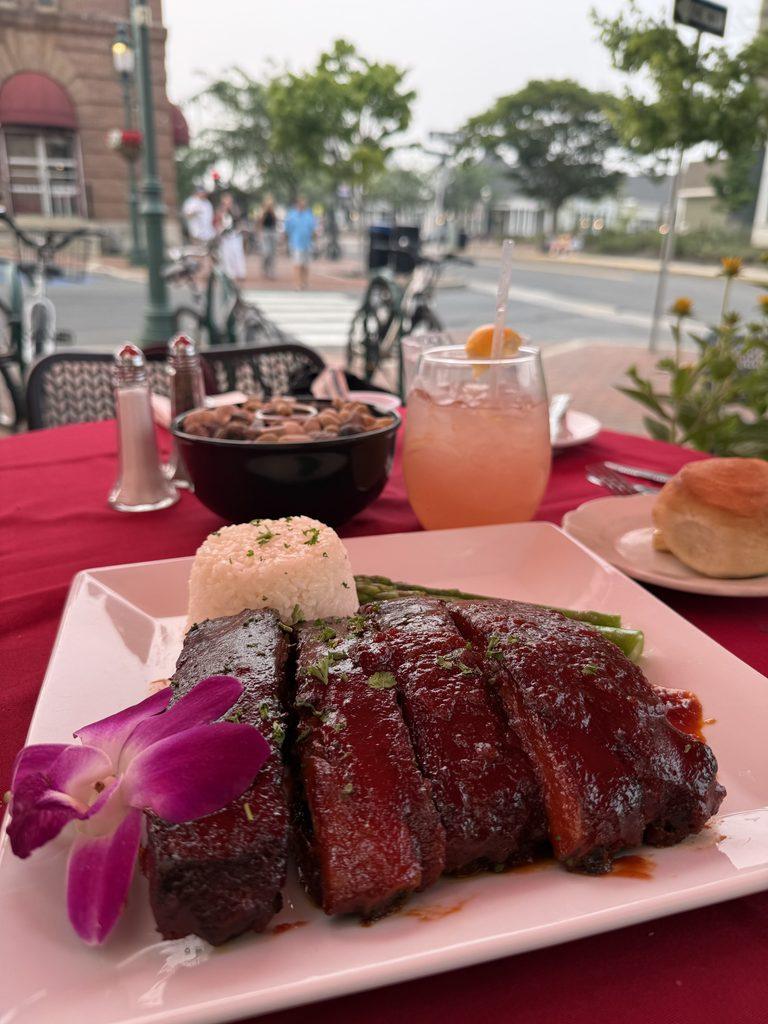
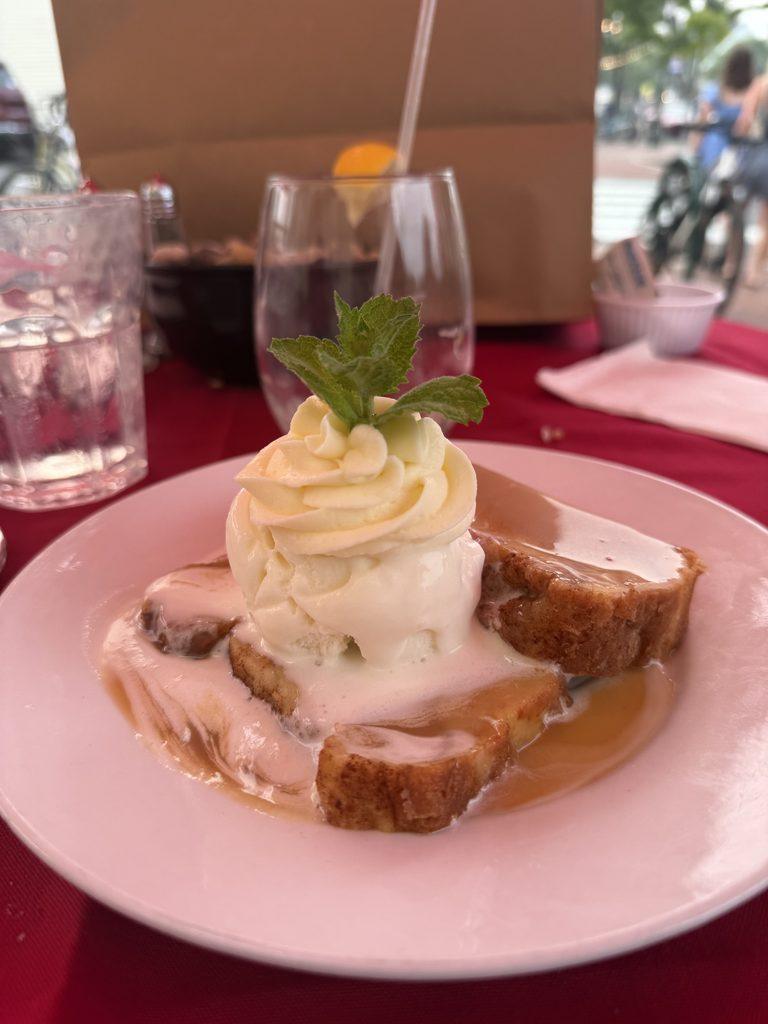
For the food? I enjoyed every part of my meal, from the lemonade to the ribs and sticky rice. But whatever you do, get the bread pudding!
Freda’s is more than a place to grab dinner. It is a reminder of the Black business community that once thrived in Cape May and the importance of supporting the businesses that remain today.
I highly recommend spending a weekend in Cape May rather than trying to experience it all in a day. Just know that if you visit during the summer, it can get expensive (I am talking $500- $ 1,000 per night). Cape May is very much a seasonal destination, so expect higher prices during peak season.
When I return, I would:
Photos of the Accommodation
Watch on Instagram and YouTube.
This recap was created by In My City and Abroad, a platform that shares cultural experiences and destination guides in her home city of New York and beyond. Dominique, the creator of this platform, was a part of this day trip!
Cape May’s Black community is small but mighty. Unfortunately, that small population is connected to a history of intentional displacement and efforts to push Black residents out of the community.
While visiting Historic Macedonia Baptist Church, I had the opportunity to speak with a local who was born and raised in Cape May and whose family has been there for multiple generations. She is also one of the few remaining residents from those longtime Black families who still owns property in Cape May.
She shared that there was a time when Black residents were not wanted in Cape May because some believed their presence disrupted the town’s tourism and visitors. As America’s first seaside resort, Cape May developed policies and practices that contributed to the displacement of its Black community. According to the history shared with me, the Black population once made up roughly 30% of Cape May but has since declined to less than 3%
Today, Cape May is a small town of roughly 2,700 residents and is overwhelmingly White. Approximately 82% to 88% of residents are White, while about 11% to 13% identify as Hispanic or Latino, 3% to 4% identify as multiracial, and only about 2% to 4% identify as Black or African American.
The Black residents who remain are working hard to preserve their history, community, and presence. And you can feel that sense of connection. The community may be small, but it is tight-knit and deeply rooted in Cape May.
Cape May felt physically safe to walk around. It is a very small, walkable area, and people were generally friendly. Both Black and White residents would say hello as we passed by.
That said, I was admittedly more on guard because I didn’t see many Black people while walking around. I never felt unsafe, but I also wouldn’t say that I immediately felt like I fully belonged.
Learning about Cape May’s history while I was there definitely influenced how I experienced the town. Knowing that there had been intentional efforts to push Black residents out made me more conscious of my presence as a Black traveler and left me wondering how my presence might be perceived by some people.
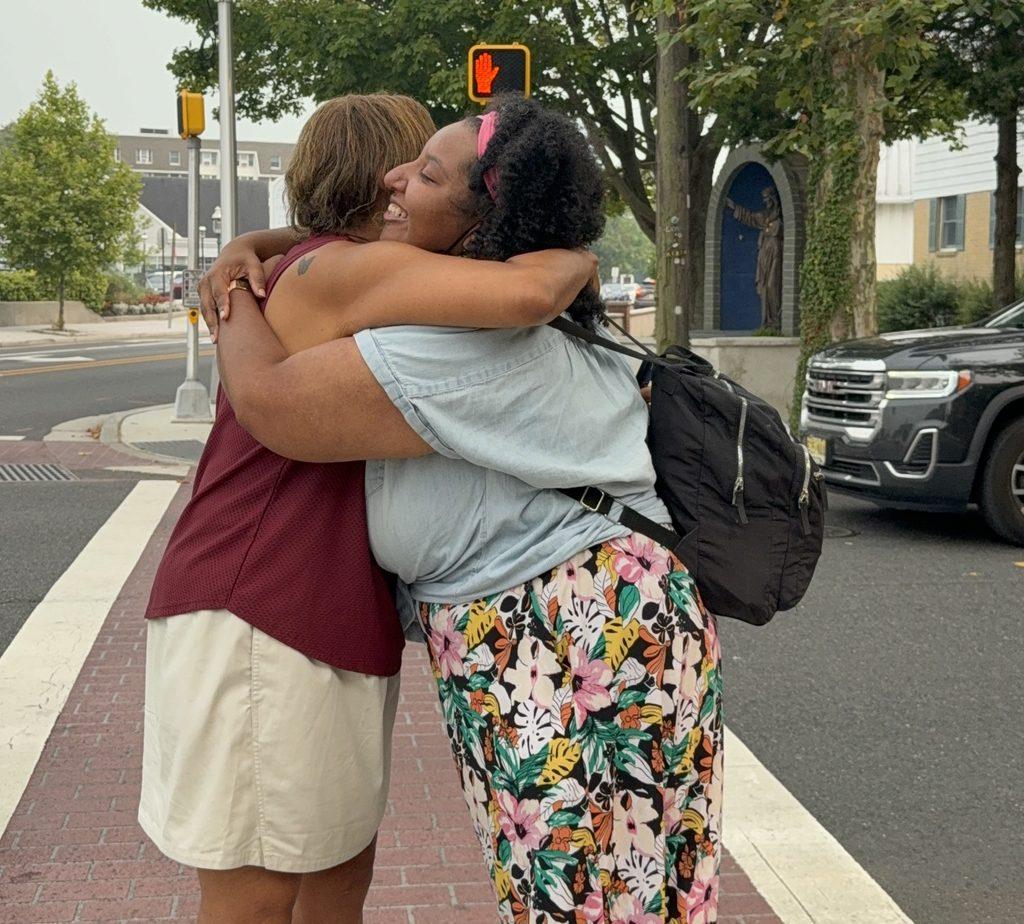
Having a local guide made a huge difference. She was incredibly passionate about Cape May, shared its history with us, and, by the end of the day, honestly felt like an auntie. Her warmth and hospitality made us feel extremely welcome, a real warm hug.
So, is Cape May friendly? Yes, in my experience. But friendliness and a sense of belonging are not necessarily the same thing, and I think that distinction is important when talking about the experience of traveling while Black.
Cape May also leans politically conservative, and I noticed quite a few American flags throughout town. Some of that may have been connected to the timing of my visit, which was shortly after the country’s 250th anniversary celebrations, so I wouldn’t necessarily interpret that alone as an indication of how every resident feels.
If I had to describe Black Cape May in three words, they would be: small, hidden, and mighty.
I only spent one day in Cape May, so I don’t want to pretend that I experienced the full breadth of Black life there. But what I did see made it clear that Black history and culture are present, even if they aren’t always immediately visible to visitors.
Much of that culture exists behind the scenes and within the community itself. Historic Macedonia Baptist Church is one example. I would love to return to experience their Sunday church breakfast and hear their well-known choir. I also learned about their annual Black Family Weekend around Labor Day, which sounds like another opportunity to see the community come together.
That was one of my biggest takeaways from Cape May: the Black community is there, but you have to know where to look and, in some cases, who to know.
If you’re expecting a destination filled with Black-owned businesses, nightlife, or what I would call “Black turn-up” vibes, Cape May probably isn’t that place. But if you’re interested in experiencing a small, close-knit Black community with deep roots and a strong commitment to preserving its history, there is something meaningful to discover here.
In some ways, Cape May reminded me of what Martha’s Vineyard might have looked like before it became so widely known as a Black vacation destination. There is a Black community here, a Black history here, and a story worth knowing. You just have to look beyond the beach and the resort town image to find it.
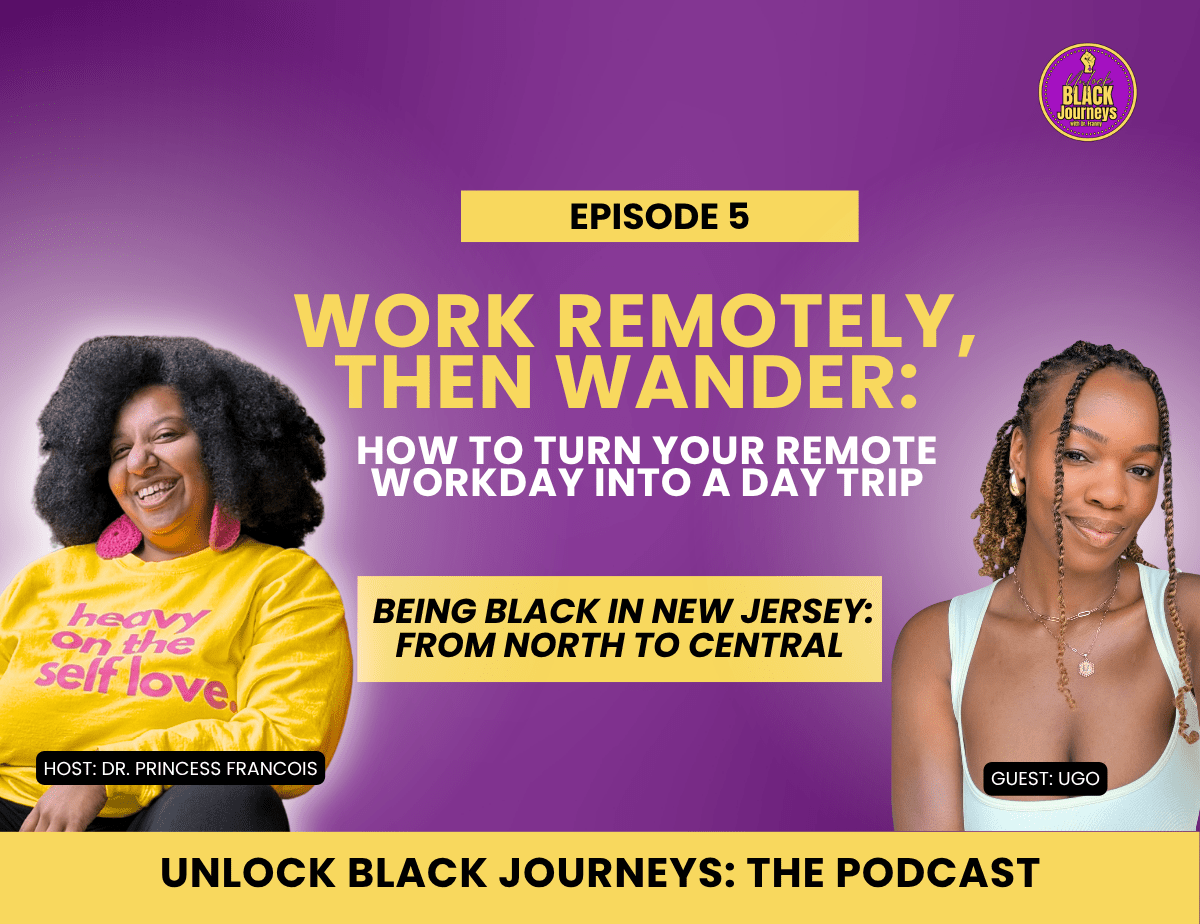
Listen to the New Jersey podcast episode on your preferred platform.
They can displace us, but they cannot erase us!
I did not expect a day trip to Cape May to affect me the way it did.
I left emotional after learning about a thriving Black community that was largely displaced through urban renewal. But despite what was taken, we are still here.
They can erase our businesses. They can tear down our buildings. They can displace our communities. But they cannot erase us from history.
Our stories remain in the churches, the businesses, and the memories of people like Lynda Towns who continue to tell them.
Black Cape May is still here. We just have to know where to look. It is worth a visit to learn this history, connect with a rich community, and make our presence known.
This post is part of my 50 States Challenge, where I document my journey as a Black woman visiting all 50 states by 50. As a U.S. travel enthusiast and Black travel curator, my goal is to build the largest collection of Black-owned travel guides and reflections on traveling while Black.
Through Unlock Black Journeys: The Podcast, I am also archiving the Black experience across all 50 states, one conversation at a time.
New Jersey was the second state I traveled to. Since then, I have explored Ellis Island, Jersey City, Hoboken, Newark, Paterson, Edgewater, Elizabeth, Camden, Cape May, Avalon, Wildwood, and Atlantic City.
Would you visit Cape May, NJ?
Because sharing is caring and it costs nothing!