
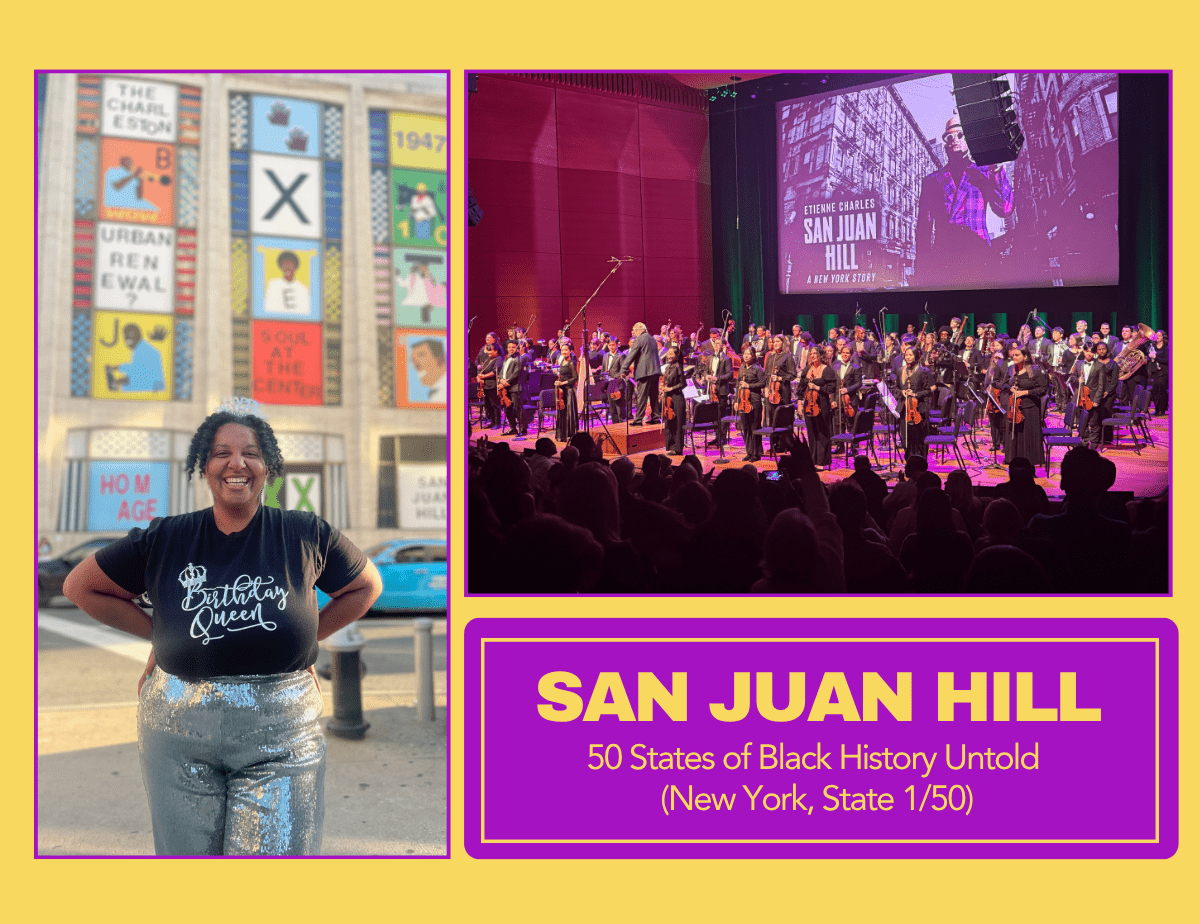
I never associated Lincoln Center, formerly San Juan Hill, with a Black and Brown story. But it reminded me of something important: Black history is everywhere, even in places that feel out of reach or unrelated to our communities.
Like many New Yorkers, I always saw Lincoln Center as a world of glamour, ballet, opera, symphonies, red carpets, and high culture. It felt like a place you dress up for, not a place where you learn about the people who once lived on the land beneath the plaza. I certainly did not feel like it was accessible until they introduced their pay-as-you-wish initiative.
Everything shifted when I received an email newsletter about a series of events honoring San Juan Hill, including a documentary screening. The phrase “a lost neighborhood” stayed with me.
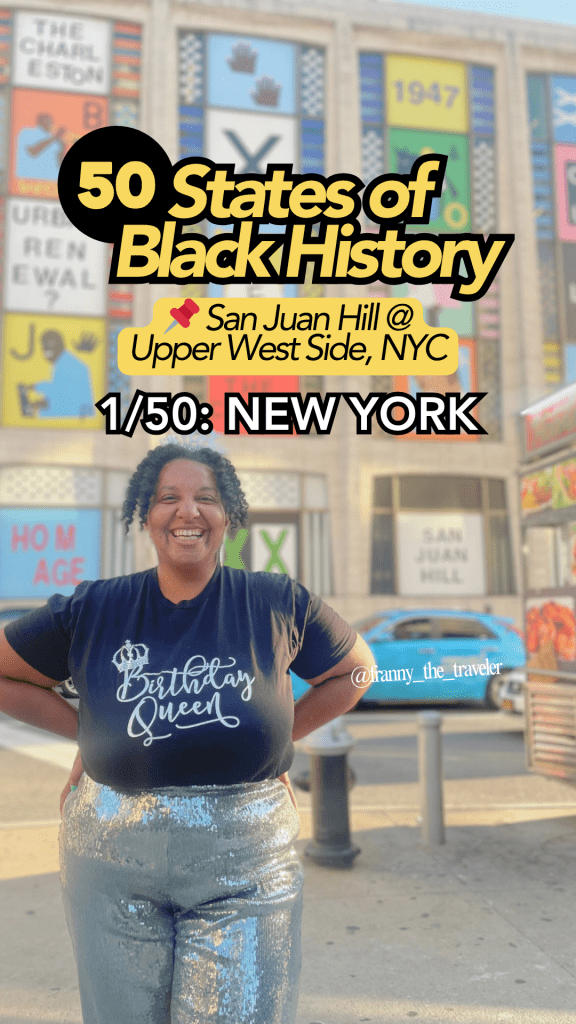
Soon after, I noticed artwork on the side of a building while wandering the Upper West Side. It featured words like “urban renewal,” “San Juan Hill,” and “the Charleston.” That moment pushed me into an internet rabbit hole.
What I discovered stopped me in my tracks.
This was not just Lincoln Center.
This was once San Juan Hill, aka “Black Bohemia,” one of New York’s largest Black and Brown communities.
Unfortunately, this community was erased under the banner of “urban renewal.” However, under the reality of “urban removal,” the neighborhood was bulldozed in the 1950s and early 60s through a project led by Robert Moses and approved by President Eisenhower.
Nearly 7,000 to 8,000 residents were displaced.
Eight hundred businesses were eliminated.
One hundred eighty-eight homes were demolished.
All of it was declared “progress.”
Learning this shifted everything for me.
In the first half of the twentieth century, the land on which Lincoln Center now sits was part of a thriving, diverse neighborhood called San Juan Hill.
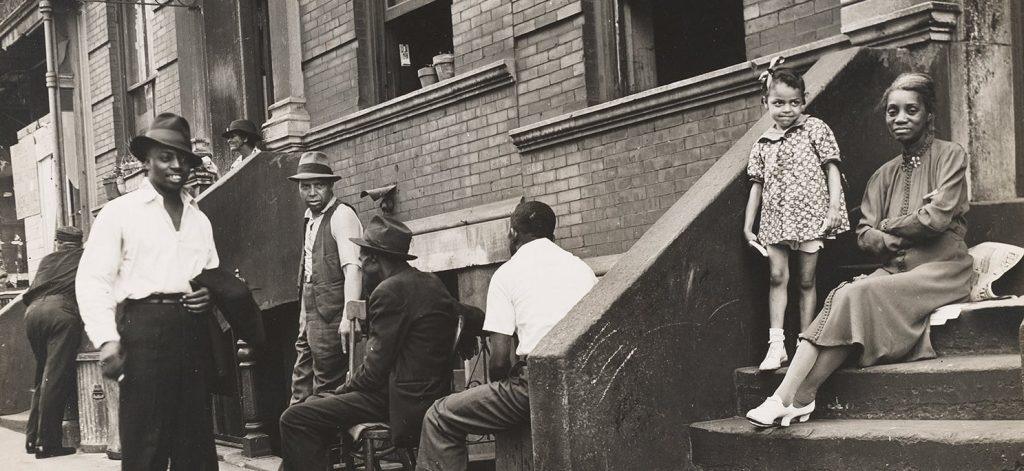
San Juan Hill, located within the larger Lincoln Square area, was a culturally rich, densely populated, and predominantly working-class community of African Americans, Afro-Caribbeans, and Puerto Ricans. It pulsed with creativity. The neighborhood was filled with theaters, movie houses, dance halls, schools, and artist spaces that nurtured pioneers of ragtime, stride, jazz, bebop, mambo, and Afro-Caribbean music, as well as visual arts and musical theater.
In the 1950s, San Juan Hill became a target of “urban renewal.” Similar to many projects across the country, the Lincoln Square Development Plan uprooted more than 7,000 families and 800 businesses. Hundreds of buildings were demolished and replaced with massive superblocks that became Fordham University, Lincoln Towers, and ultimately the Lincoln Center for the Performing Arts. That hit me hard, considering one of my alma maters is Fordham University.
A vibrant community was erased, and a global arts landmark rose in its place. We all live with this legacy: Lincoln Center, the area’s residents, the descendants of those displaced, and all of us who continue to gather here as audiences today.
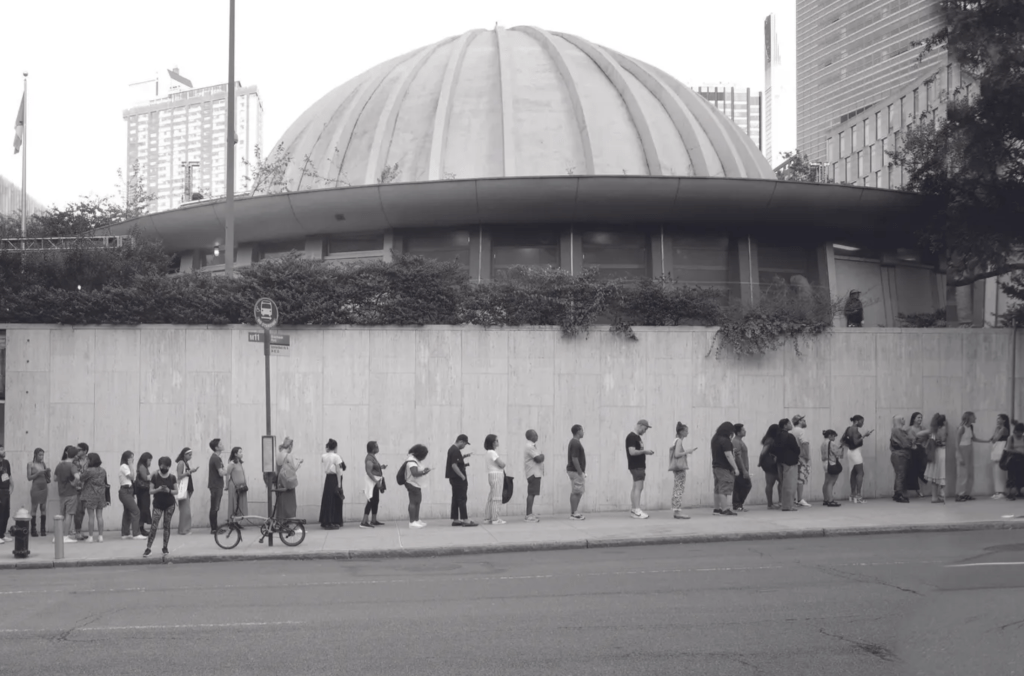
Today, Lincoln Center’s clean, white walls obscure the history beneath them. They are a reminder that much of San Juan Hill’s story has been erased. There has been advocacy to tear down the white wall to literally open access to the historic communities along Columbus Avenue and to acknowledge the lives and culture that were displaced. To truly understand San Juan Hill, you have to dig, research, and look beyond the surface to uncover the creativity, resilience, and legacy that once thrived here.
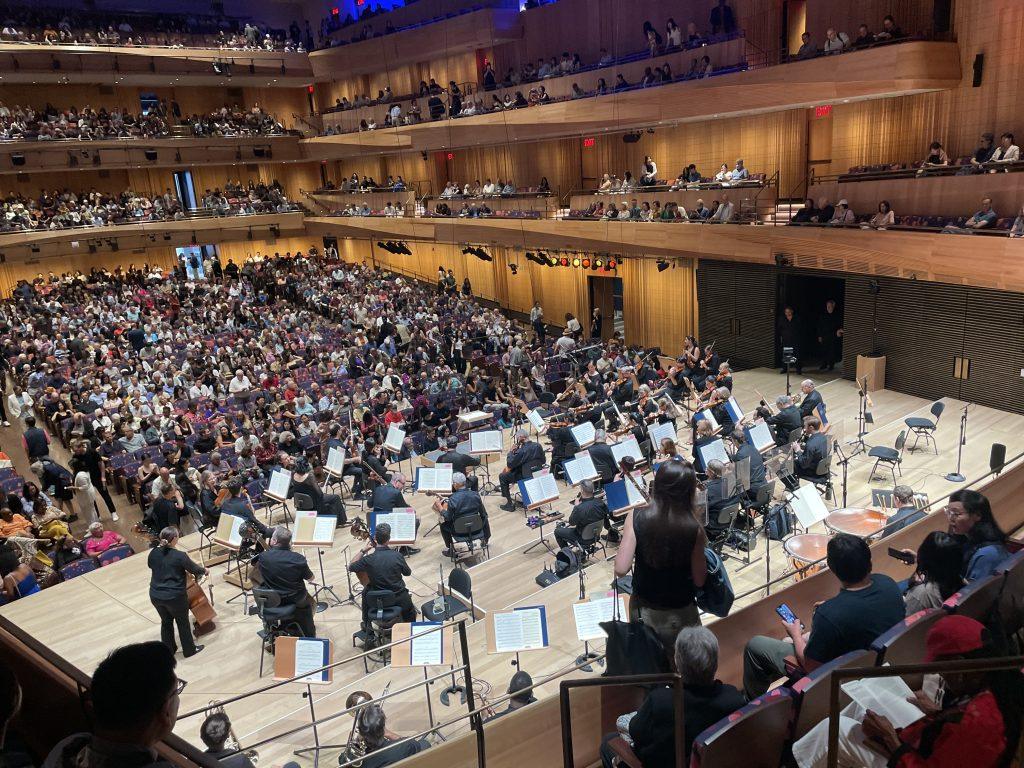
For years, I’ve walked by Lincoln Center, often feeling like an outsider as a child because I couldn’t afford to attend a performance. A few years ago, everything changed when they started their “Choose-What-You-Pay” initiative. Suddenly, orchestra seating events became accessible to me. Naturally, I gravitate toward events celebrating Black culture, and Lincoln Center offers many throughout the year.
Some I’ve attended include:
I wanted to take part in the events honoring the Legacies of San Juan Hill, so I joined a Zoom screening of a documentary about the neighborhood, and it was heavy. The documentary sparked long-overdue conversations.
Since then, walking through Lincoln Center has felt different. It can feel heavier, sometimes carrying a sense of guilt. I think about the displaced residents and how they lost access to their own neighborhood.
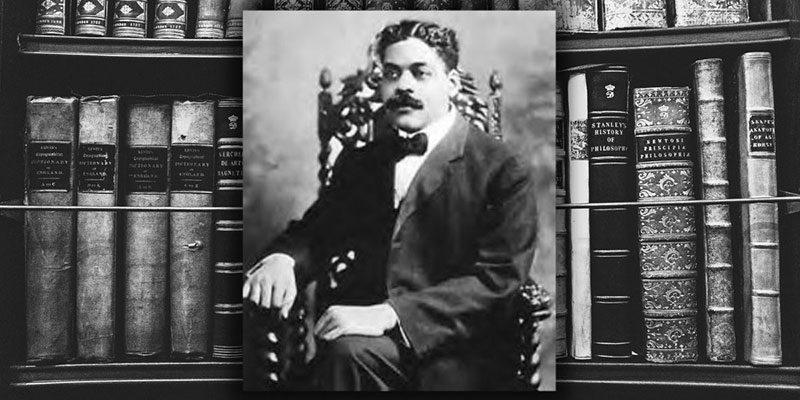
Beneath the marble and behind the white walls, a neighborhood once alive with music, community, and culture existed long before the first opera note was ever sung here. San Juan Hill shaped jazz, dance, and early Black artistic life in ways the city rarely acknowledges. It was home to Arturo Schomburg, trailblazing musicians, and working-class families who built lives here long before Lincoln Center existed. Very little on campus tells this story, except for a few markers and, now, a colorful wall. To understand the full history, you have to dig. You have to want to know.
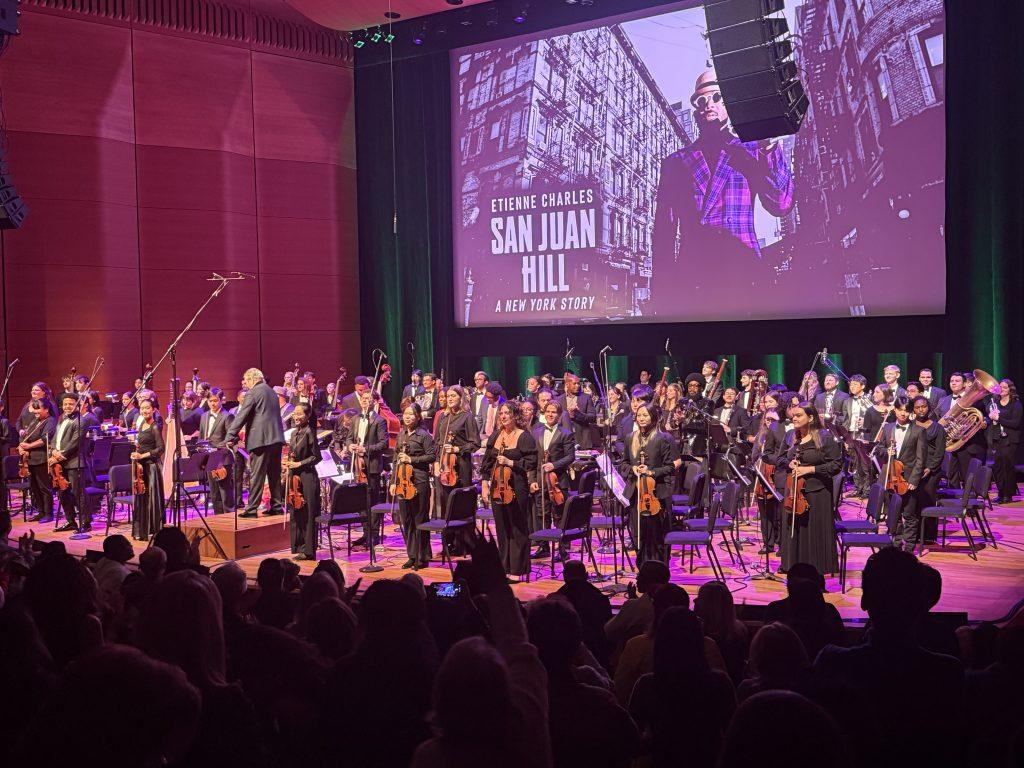
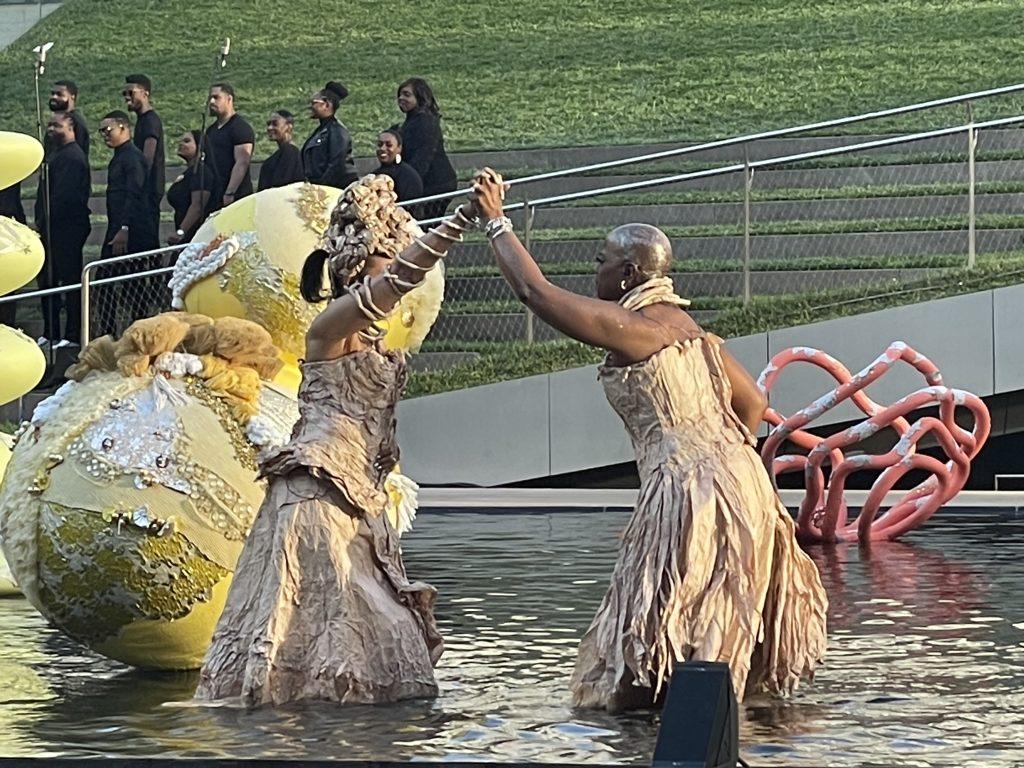
After the documentary, I attended San Juan Hill: A New York Story, a live music performance celebrating the neighborhood’s legacy. Designed by Etienne Charles, the performance brought the sounds, stories, and spirit of San Juan Hill to life. It was a masterful blend of celebration, honoring, amplification, joy, and pain. You could feel the history, the music, and the resilience in every note.
It was more than just a performance. It was a reminder that culture survives, thrives, and inspires even when communities are displaced. Experiencing it reinforced why we must seek out and share these stories, to honor the past, amplify voices, and ensure that history is remembered in full.
📚 Learn Black: I learned about the hidden Black history of San Juan Hill, an area that is now not associated with Blackness at all.
📢 Amplify Black: The festival overall truly makes an intentional effort to not only elevate the history of San Juan Hill but also the present-day work happening from community advocates. This is evident in their documentary screenings, Zoom sessions, musical performances, and the Legacies of San Juan Hill website.
🎉 Celebrate Black: From the photo montages and songs to the lyricism, to having Black artist, composer, and arranger Etienne Charles create this piece, Black culture was all over. I love that they weaved in both modern and classical Black music to Lincoln Center, a performing arts center that is becoming increasingly more Black in its arts.
🧐 Knowingly Black: Every detail felt intentional throughout the San Juan Hill festival.
The neighborhood was a cultural incubator that helped lay the groundwork for the Harlem Renaissance. This area nurtured music and dance styles like the Charleston and early bebop long before Harlem became the epicenter of Black artistic innovation.
Yes, THE Arturo Schomburg, the historian and collector whose work preserved countless Black and Afro-Caribbean histories. In an effort to prove his teacher wrong, who claimed Black people had no history, Schomburg ’s private collection spanned 10,000 items, 3,000 volumes, and over 1,100 pamphlets with many valuable prints and manuscripts. This helped lay the foundation for the Schomburg Center for Research in Black Culture in Harlem, which celebrated its 100-year anniversary in 2026, and now has 11 MILLION items in its collection. His presence reminds us how individuals from these communities shaped broader cultural memory.
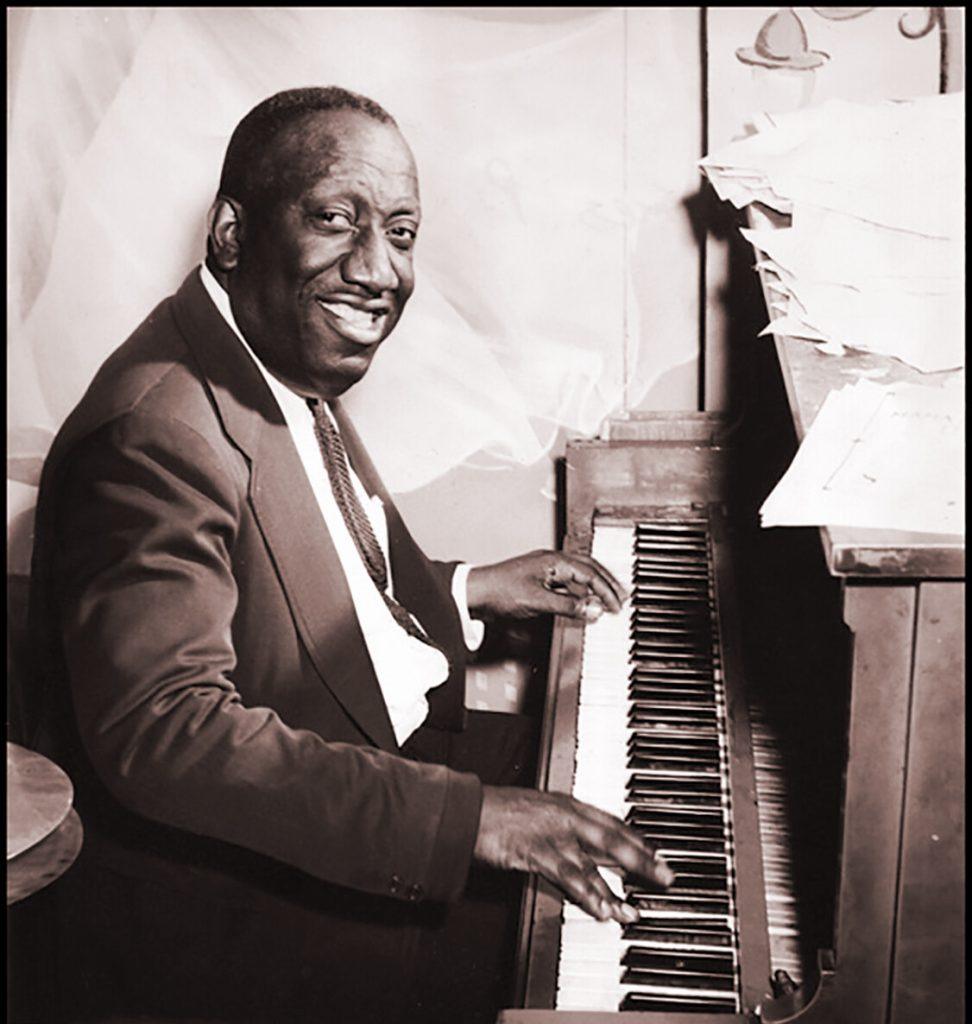
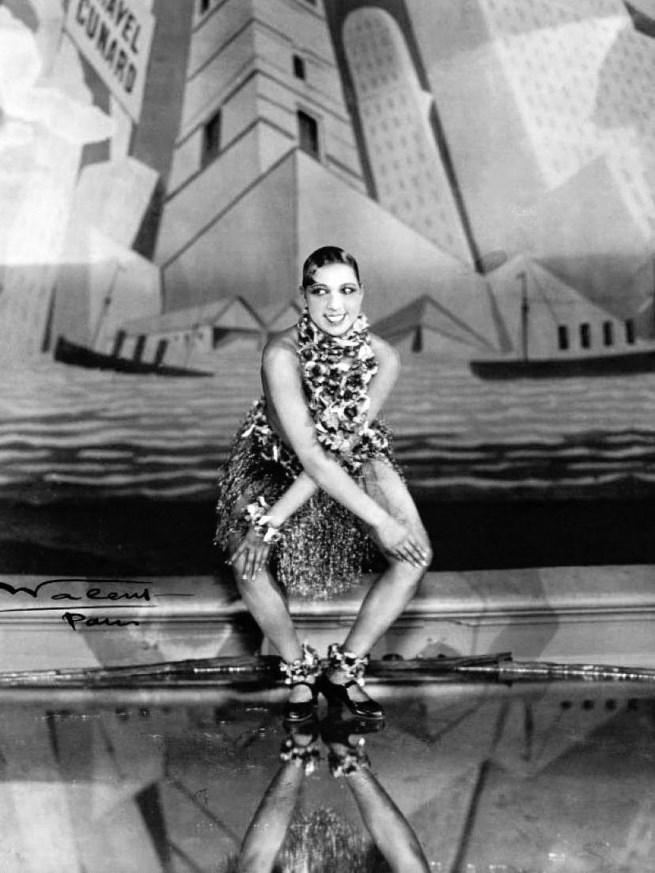
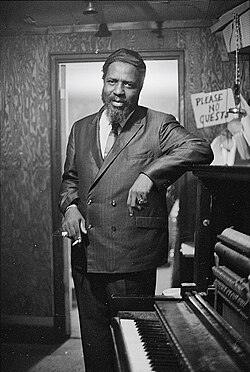
The neighborhood produced and nurtured remarkable artists such as James P. Johnson, Josephine Baker, Rogelio “Ram” Ramirez, and Thelonious Monk. Their work brought jazz, stride piano, and Afro-Caribbean influences to stages across the country, demonstrating just how deeply this community influenced the sound of American music.
Because of these artists and the cultural energy of the neighborhood, several important musical styles either developed or flourished in San Juan Hill:
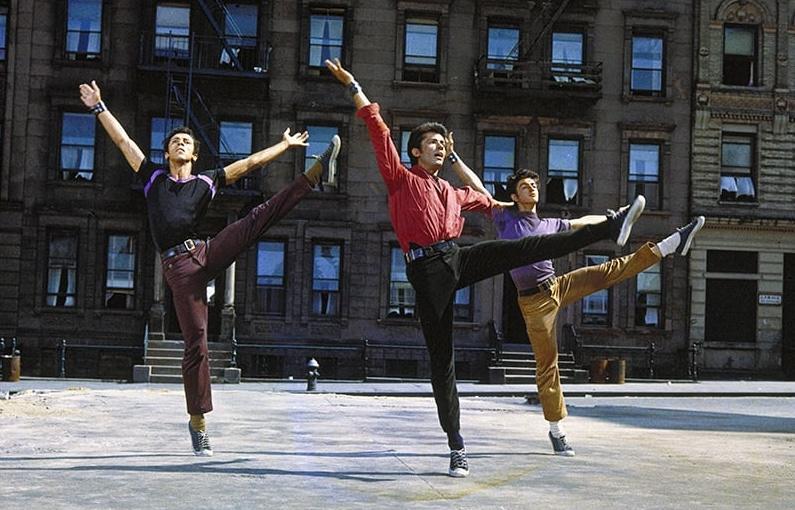
Yes, that famous musical. The neighborhood’s dense population, cultural diversity, and vibrant yet often tense street life provided the musical’s real-life backdrop. The story of rival gangs, immigrant communities, and the struggles of everyday people reflected the dynamics of San Juan Hill before it was demolished for urban renewal. In essence, the streets and lives of San Juan Hill residents shaped the narrative, energy, and setting of this iconic musical.
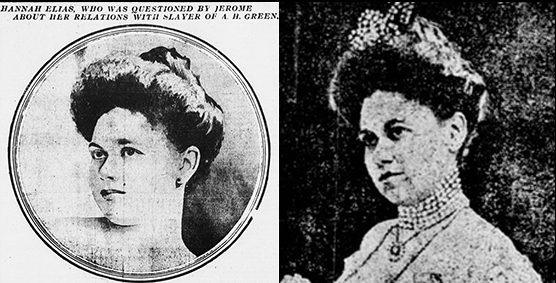
Have you ever heard of Hannah Elias?
Admittedly, I did not know about Hannah, but the performance of San Juan Hill: A New York Story shed light on her story. Yet she was once one of the richest Black women in America. Her story is rarely told, in part because of how she built her wealth.
Born around 1864 in Philadelphia, Hannah Elias started with very little. She worked as a domestic servant before becoming a sex worker in Manhattan’s Tenderloin district. During this time, she began a relationship with wealthy factory owner John R. Platt, who financed a lavish 20-room mansion for her on Central Park West.
But Elias did not simply spend the money. She invested it. Smartly. She purchased real estate in Harlem and eventually became one of the city’s largest Black landlords.
Of course, the story does not end quietly. In 1903, a scandal erupted when a man obsessed with her murdered someone he believed to be Platt. The incident exposed her relationship with the wealthy industrialist and led to an extortion trial brought by Platt’s family. Elias survived the trial and later moved to Europe, leaving behind a legacy as one of the wealthiest Black women of her era.
In other words, when we say “started from the bottom, now we’re here,” that was Hannah Elias. A Black female millionaire living in a mansion on Central Park West at the turn of the twentieth century.
If you want the full, juicy story (it’s giving soap opera vibes, but it’s all real!), check out the resource below:
📍 Location: Lincoln Center Plaza, New York, NY 10023
🎟️ Tickets:
Lincoln Center offers pay-as-you-wish tickets starting at $5, making many performances accessible. There are also special free events, such as Juneteenth celebrations, throughout the year.
♿ Accessibility:
Lincoln Center commits to accessibility. They provide hearing aids, assistive listening devices, and wheelchair access throughout the campus. Even for virtual events, they offer descriptive narration of what is on screen, ensuring everyone can participate fully.
💡 Pro Tip: Sign up for the Lincoln Center newsletter to stay updated on upcoming events. Popular pay-as-you-wish performances can sell out quickly, so early notice helps you plan ahead.
Pair your visit with:
San Juan Hill’s history isn’t just a footnote — it’s a reminder.
A reminder that the stories of Black and Brown communities deserve to be centered, not erased.
That displacement is not just physical, it’s cultural.
And it’s a reminder of why I explore, document, and reclaim Black history across all 50 states.
Because these stories deserve to be known, honored, protected, not paved over.
What is Lincoln Center famous for?
Lincoln Center is one of the world’s leading performing arts complexes, known for ballet, opera, symphonies, jazz, theater, and special cultural events. It is a hub for both high-profile performances and community programming in New York City.
Can I wear jeans to Lincoln Center?
Yes! Attire ranges widely from casual jeans to full glamorous outfits. You can feel comfortable dressing for your style and the type of performance you’re attending.
Are there free events at Lincoln Center?
Yes, some events are completely free, and many more are Choose-What-You-Pay starting at $5, making performances accessible to a wider audience. Lincoln Center offers higher-priced tickets for premium events, so check the schedule when planning your visit.
How early should I arrive for events?
I recommend at least one hour before the performance. This gives you time to get through security, pick up physical tickets if needed, and settle in with a drink. Lines sometimes form early, even though doors typically open about 30 minutes before the show starts.
This post is part of my 50 States of Untold Black History series, where I archive hidden Black history, historic landmarks, and cultural sites across all 50 states. Through Black heritage travel storytelling, in both writing and podcast form, I highlight the overlooked and untold narratives that have shaped Black American history.
Because every destination is a Black destination.
Did you know about the San Juan Hill before this article? What did you learn here?
Because sharing is caring and it costs nothing!




2 Responses
This is incredible work—thank you for shining a light on stories that so often go untold. I love how you combine travel, history, and storytelling to make these important narratives accessible and engaging. Truly inspiring, and every post like this reminds us that every place holds a piece of Black history. 🙌🏾📚✨
Thank you for truly capturing what I intend to do with this platform!